Working at height is one of the most common causes of workplace injuries in construction, maintenance, and industrial environments. Whether workers are using ladders, scaffolding, or powered access platforms, proper training is essential to ensure work is carried out safely.
In Ireland, employers are responsible for ensuring that anyone working at height is properly trained and competent to carry out their tasks. Depending on the equipment being used and the nature of the work, several different training courses may be required.
Below is a guide to the most common training needed for working at height.
IPAF MEWP Operator Training
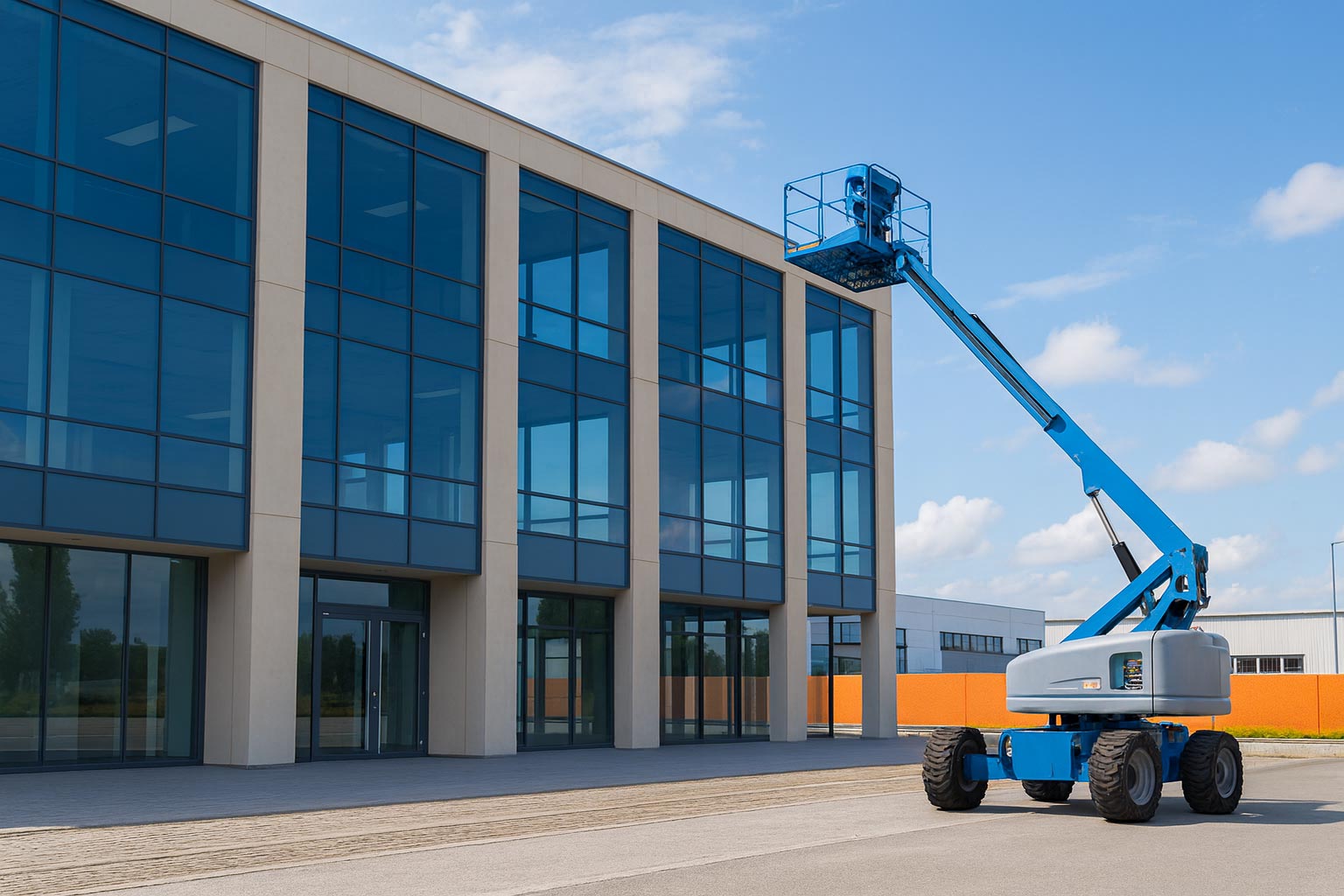
If workers are using Mobile Elevating Work Platforms (MEWPs) such as scissor lifts or boom lifts, they should complete IPAF operator training.
This course teaches operators how to safely use access platforms, including:
- Safe machine operation
- Pre-use inspections
- Hazard awareness
- Emergency procedures
- Safe working practices at height
Operators who successfully complete the course receive the IPAF PAL Card, which is widely recognised across construction sites throughout Ireland and internationally.
Typical IPAF categories include:
- 3a – Scissor Lifts
- 3b – Boom Lifts
Harness Awareness Training
When working from many types of access platforms, operators may be required to wear fall protection equipment such as harnesses and lanyards.
Harness awareness training helps workers understand:
- When fall protection is required
- How to correctly inspect harness equipment
- Proper fitting and adjustment
- Safe attachment points and lanyard use
This training helps ensure that personal protective equipment is used correctly and effectively when working at height.
Working at Height Safety Training
A Working at Height training course focuses on the broader risks associated with elevated work environments.
Key topics usually include:
- Risk assessment and hazard identification
- Safe ladder and access equipment use
- Preventing falls and dropped objects
- Proper planning and supervision of work at height
This course is particularly useful for supervisors, maintenance staff, and general site workers who may be exposed to height risks.
Manual Handling Training
Although it may not seem directly related, manual handling training is often required for workers carrying tools or materials at height.
Proper manual handling techniques help prevent injuries caused by:
- Lifting heavy materials
- Carrying equipment on access platforms
- Repetitive movement or poor posture
Manual handling training supports safer working practices across many industries.
Why Proper Training Matters
Falls from height remain one of the leading causes of serious workplace injuries. Ensuring workers receive the correct training helps:
- Reduce the risk of accidents
- Improve awareness of hazards
- Ensure compliance with site safety requirements
- Protect both workers and employers
Many construction sites now require workers to present valid training certification before allowing them to operate equipment or perform tasks at height.
Work at Height Training with DTA Training
At DTA Training, we provide professional safety training designed to help workers operate safely and confidently when working at height.
Our courses include:
- IPAF MEWP Operator Training (3a & 3b)
- Harness Awareness Training
- Working at Height Safety Training
- Manual Handling Training
Courses are delivered by experienced instructors and are designed to meet the safety standards required across construction and industrial sites.
If you are unsure which training is right for your team, our team can help guide you.