When people think of MEWP (Mobile Elevating Work Platform) training, the focus is usually on the operator.
But in reality, safe and efficient use of MEWPs on site involves more than just the person in the platform.
From ground support to site supervision, multiple roles play a part in ensuring work at height is carried out safely—and many of them require training too.
1. MEWP Operators (The Obvious One)
Let’s start with the most recognised role.
Anyone operating a MEWP—whether it’s a scissor lift, boom lift, or spider lift—must be properly trained and certified.
Training ensures operators understand:
- Safe operation of the machine
- Emergency procedures
- Pre-use inspections
- Site hazards and risk awareness
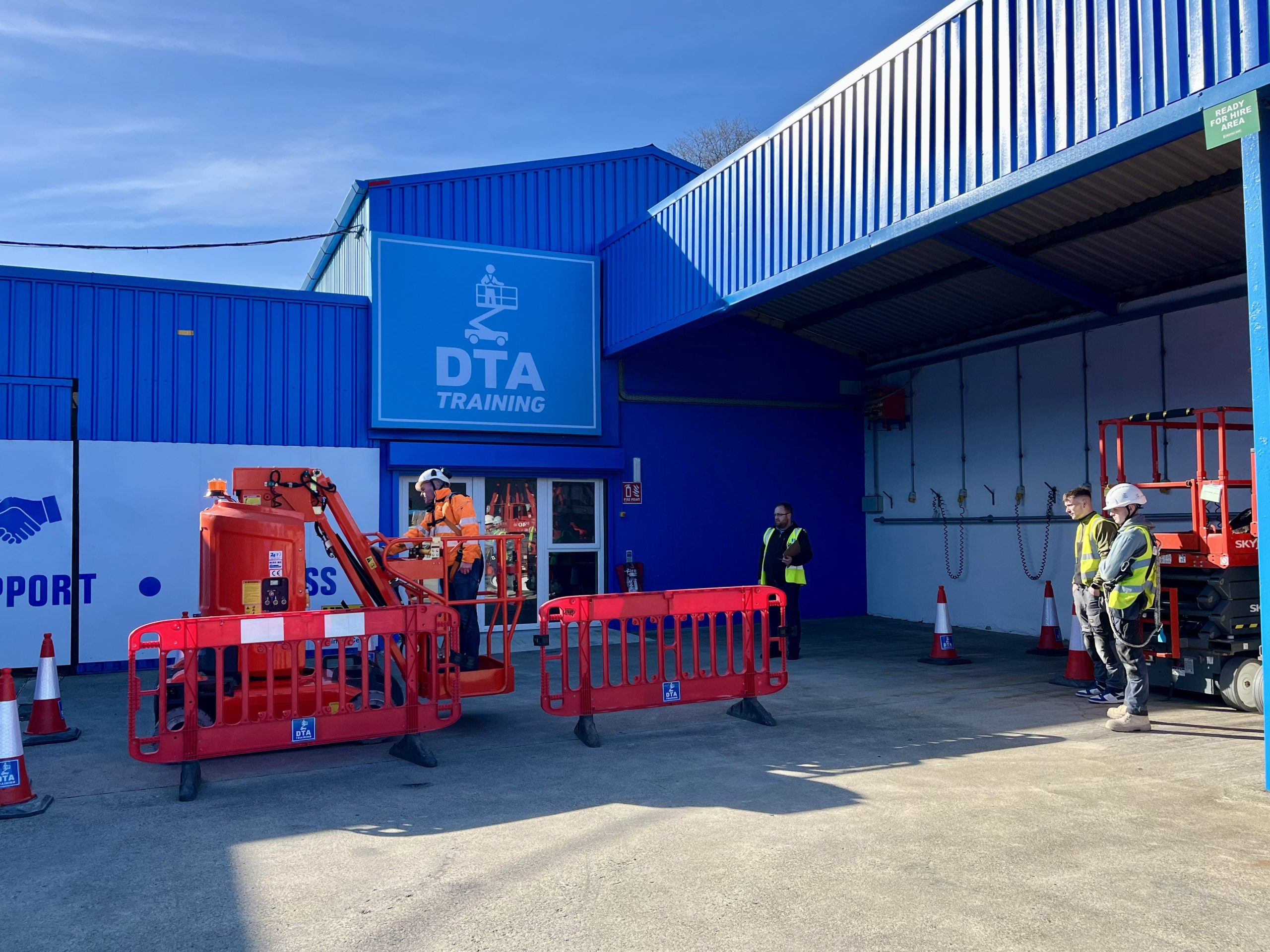
At DTA Training, IPAF-certified courses provide both theory and practical assessment to ensure operators are fully prepared for real site conditions.
2. MEWP Spotters / Ground Support
This is one of the most overlooked roles on site.
Spotters (or banksmen) are responsible for:
- Monitoring surroundings
- Assisting with safe manoeuvring
- Communicating hazards to the operator
- Helping in emergency situations
Without proper awareness, this role can become a weak point in site safety.
That’s why short, accessible training for MEWP spotters is becoming increasingly important—ensuring everyone involved understands their responsibilities.
3. Site Supervisors & Managers
Even if they’re not operating equipment, supervisors play a critical role in:
- Planning work at height
- Ensuring correct equipment is selected
- Verifying that trained personnel are in place
- Overseeing safe systems of work
Having a solid understanding of MEWP safety allows supervisors to make better decisions and maintain compliance on site.
4. Anyone Working Near MEWPs
MEWPs don’t operate in isolation.
Other workers on site may be:
- Working nearby
- Passing through operating zones
- Assisting with tasks at height
Without basic awareness, they may unknowingly put themselves—or others—at risk.
Training or briefings for these workers can significantly reduce incidents and improve overall site safety.
5. New or Infrequent Users
Even experienced workers can become a risk if they:
- Haven’t used a MEWP in a long time
- Are unfamiliar with a specific machine type
- Haven’t kept up with current safety practices
Refresher training helps ensure knowledge stays up to date and aligned with best practice.
Why This Matters
Many on-site incidents don’t happen because of a lack of equipment—but because of gaps in understanding.
By ensuring that everyone involved—not just the operator—has the right level of training or awareness, sites can:
- Improve overall safety
- Reduce risk of accidents
- Stay compliant with regulations
- Operate more efficiently
How DTA Training Can Help
At DTA Training, we provide a range of courses designed to support safe working at height across all roles on site.
From IPAF operator training to short, accessible courses for those assisting with MEWP operations, our goal is simple:
👉 Make safety clear, practical, and accessible for everyone on site.
If you’re unsure what training your team needs, our team is here to help guide you.