Choosing the right MEWP (Mobile Elevating Work Platform) training isn’t always straightforward — especially when there are multiple machine types, categories, and job requirements to consider. At DTA Training (Dromad Training Academy), we help operators, supervisors, and employers understand exactly which course is needed to stay safe, compliant, and confident on site.
This guide breaks down the most common IPAF training categories, what each one covers, and how to decide which course is right for your team.
What is IPAF Training?
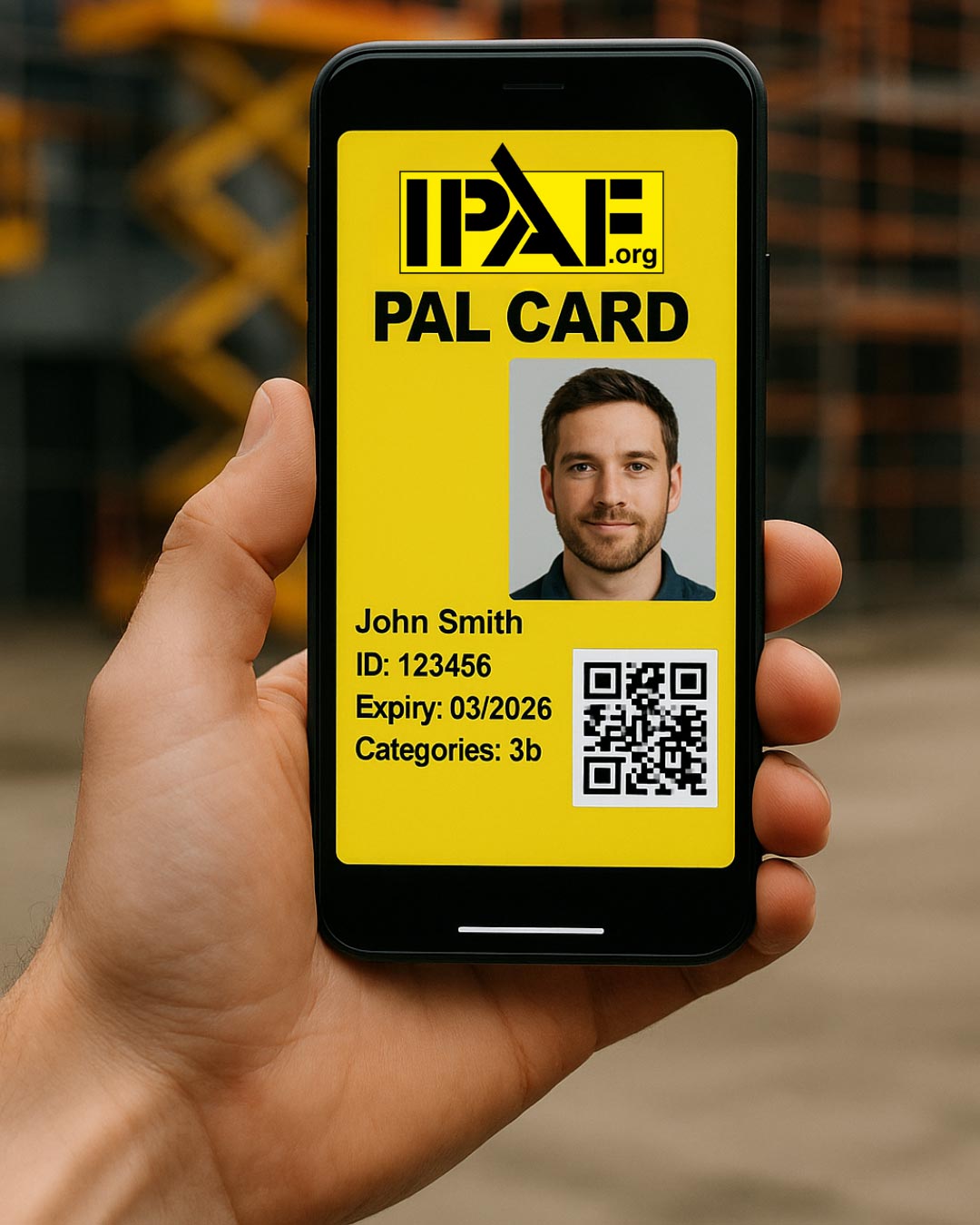
IPAF (International Powered Access Federation) sets global standards for MEWP safety training. An IPAF PAL (Powered Access Licence) card demonstrates that an operator has been trained to safely use specific categories of elevated work platforms — essential for compliance across most sites.
DTA Training is an IPAF-approved training centre, providing certified courses delivered by experienced instructors in a state-of-the-art facility.
1. 3A — Mobile Vertical (Scissor Lifts)
Includes battery and diesel scissor lifts typically used for indoor maintenance, fit-outs, electrical work, and general access tasks.
Covers:
- Safe operation and manoeuvring
- Platform controls and emergency lowering
- Pre-use checks
- Safe working practices in confined spaces
Best for: Electricians, installers, maintenance teams, shopfitting crews, warehouse operatives.
2. 3B — Mobile Boom (Articulated & Telescopic Booms)
Used for higher-level access requiring outreach — such as outdoor construction, façade work, or complex indoor environments.
Covers:
- Safe boom operation
- Risk assessment & stability factors
- Working around obstacles
- Weather and ground conditions
Best for: Construction professionals, façade contractors, steel installers, facilities teams.
3. 1B — Static Boom (Truck/Trailer/Van-Mounts & Spider Lifts)
Includes MEWPs that are transported or set up from a static position, such as spider lifts or vehicle-mounted booms.
Covers:
- Outrigger setup
- Ground assessment
- Safe outreach operation
- Emergency procedures
Best for: Arborists, telecom contractors, glazing installers, M&E professionals, infrastructure work.
4. Harness Use & Inspection (IPAF Approved)
While not a MEWP category, this is one of the most commonly required add-on courses.
Operators learn how to choose, inspect, wear, and correctly adjust personal fall protection equipment.
Best for: Anyone operating a boom lift or working at height.
5. IPAF MEWPs for Managers (Online Course)
A theory-based course for supervisors, managers, planners, and safety officers responsible for MEWP operations.
Covers:
- Selecting the correct MEWP category for the job
- Risk assessment & safe systems of work
- Legal responsibilities
- Understanding loadings, weather, site conditions
Best for: Site managers, safety managers, project supervisors.
How to Choose your IPAF Training Course
A quick guide to help you decide:
✔ Need straight up-and-down access? → 3A Scissor Lift
✔ Need outreach or height? → 3B Boom Lift
✔ Using van-mounts, truck-mounts, or spider lifts? → 1B Static Boom
✔ Managing MEWP operations? → MEWPs for Managers
✔ Working in a boom lift? → Add Harness Training
If you’re still unsure, our training team can help you match the correct course to your equipment or worksite needs.
Why IPAF Training with DTA Training?
At Dromad Training Academy, we offer:
- A brand-new training facility with dedicated indoor and outdoor training areas
- Experienced IPAF-approved instructors
- Modern, well-maintained equipment
- Convenient booking through dtatraining.com
- Courses suitable for individuals or teams
- GA1-certified equipment on site
We make safety, confidence, and competence our priority — so your team can perform at their best.